The aviation industry has seen significant transformations over the past few decades, with private aircraft emerging as a pivotal component of this evolution. Private aircraft, often synonymous with luxury and exclusivity, have become a preferred mode of transportation for business executives, celebrities, and affluent individuals. This report delves into the various aspects of private aircraft, including their types, benefits, economic impact, and future trends.
Types of Private Aircraft
Private aircraft come in various shapes and sizes, catering to different needs and preferences. The primary categories include:
- Light Jets: These are small, typically seating 4 to 8 passengers. They are ideal for short-haul flights and are often used for business trips or quick getaways. Examples include the Cessna Citation Mustang and the Embraer Phenom 100.
- Midsize Jets: Offering more space and range, midsize jets can accommodate 6 to 9 passengers. They are suitable for longer flights and provide additional amenities. Popular models include the Hawker 800 and the Bombardier Learjet 60.
- Heavy Jets: These larger jets can carry 10 or more passengers and are designed for long-haul flights. They often come equipped with luxurious interiors and advanced technology. Notable examples are the Gulfstream G650 and the Bombardier Global 7500.
- Turbo Props: While not jets, turbo prop aircraft are popular for regional travel. They are cost-effective and can access smaller airports. The Beechcraft King Air series is a well-known example.
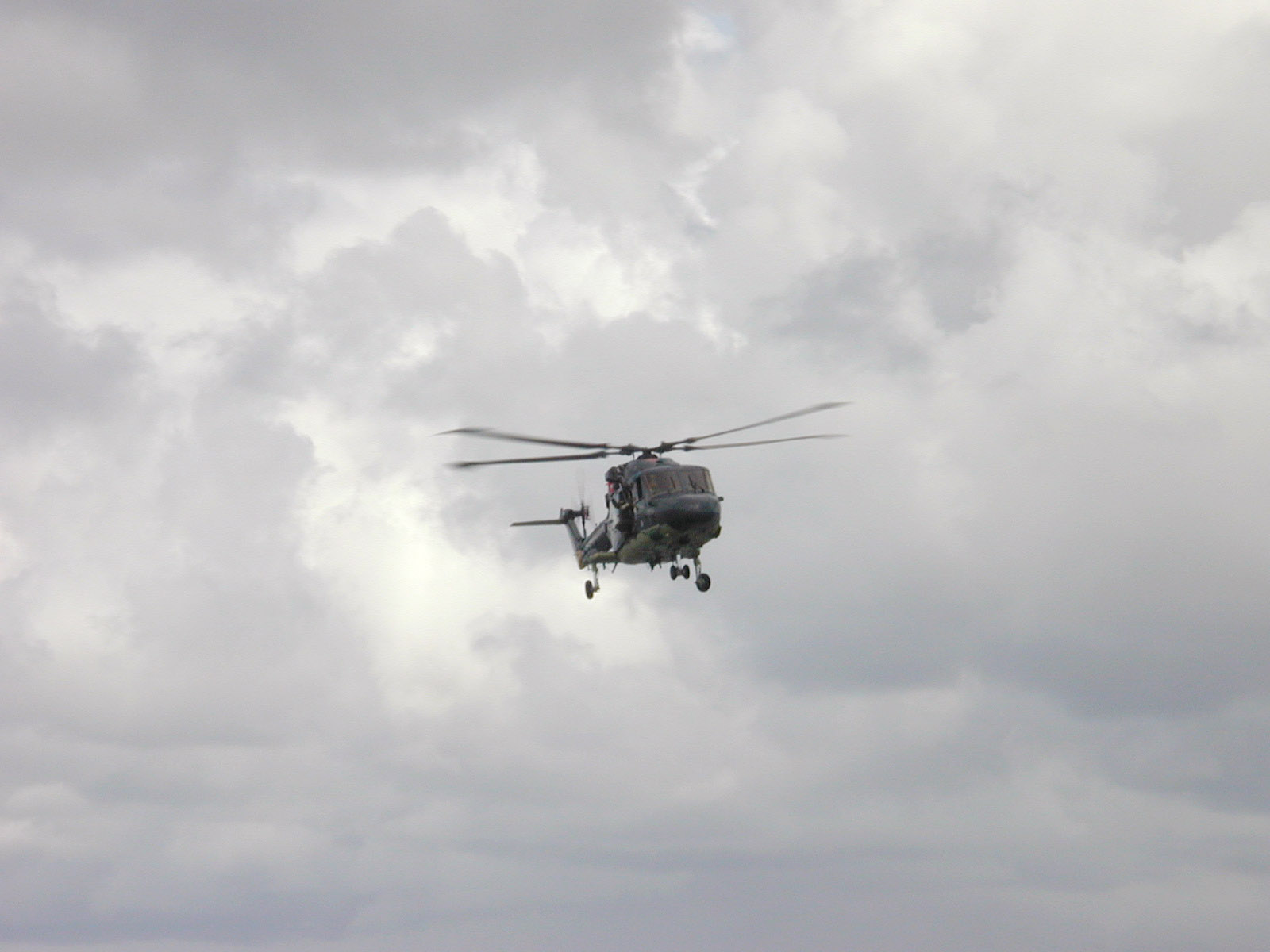
- Helicopters: Used for shorter distances and accessing remote locations, helicopters offer flexibility and speed. Models like the Bell 429 and Sikorsky S-76 are frequently used in this category.
Benefits of Private Aircraft
Private aircraft offer numerous advantages that contribute to their growing popularity:
- Time Efficiency: One of the most significant benefits of private aviation is the time saved. Travelers can avoid long security lines, layovers, and delays associated with commercial flights. Private aircraft can often access smaller airports closer to the final destination, further reducing travel time.
- Flexibility: Private aircraft provide unparalleled flexibility in scheduling. Travelers can depart at their convenience and change plans with minimal notice, making them ideal for business professionals with unpredictable schedules.
- Comfort and Privacy: The interiors of private jets are designed for comfort, often featuring plush seating, spacious cabins, and high-quality amenities. Additionally, the privacy offered by private aircraft allows passengers to conduct meetings or relax without distractions.
- Access to Remote Locations: Many private aircraft can land at smaller airports, providing access to remote areas that may not be served by commercial airlines. This is particularly beneficial for businesses operating in less accessible regions.
- Enhanced Productivity: The ability to work in a private environment while traveling enables passengers to maximize their productivity. High-speed internet, conference facilities, and comfortable workspaces are often available on board.
Economic Impact
The private aviation sector contributes significantly to the global economy. According to the National Business Aviation Association (NBAA), business aviation supports over 1. If you have any kind of questions relating to where by and also the best way to use web Page, you can email us at our page. 2 million jobs and generates more than $150 billion in economic output annually in the United States alone. The industry also plays a vital role in supporting local economies, particularly in regions where private airports are located.
Moreover, private aviation often stimulates tourism, as affluent travelers use private jets to reach luxury destinations. This influx of high-net-worth individuals can boost local businesses, including hotels, restaurants, and recreational activities.
Environmental Considerations
Despite its benefits, the private aviation industry faces scrutiny regarding its environmental impact. Critics argue that private jets contribute disproportionately to carbon emissions compared to commercial flights. However, the industry is actively working to address these concerns through various initiatives:
- Sustainable Aviation Fuel (SAF): The adoption of SAF, which is produced from renewable resources, can significantly reduce the carbon footprint of private aircraft. Many operators are investing in SAF to promote greener flying.
- Fuel Efficiency Improvements: Manufacturers are continually developing more fuel-efficient aircraft. Newer models often feature advanced aerodynamics and engines that reduce fuel consumption.
- Offset Programs: Many private aviation companies offer carbon offset programs, allowing passengers to invest in environmental projects that mitigate their carbon footprint.
Future Trends
The future of private aviation is poised for growth and innovation. Several trends are shaping the industry:
- Technological Advancements: The integration of cutting-edge technology, such as artificial intelligence and advanced avionics, is enhancing safety, efficiency, and passenger experience. Innovations like electric and hybrid aircraft are also on the horizon, promising to further reduce environmental impact.
- On-Demand Services: The rise of on-demand charter services and fractional ownership models is making private aviation more accessible to a broader audience. Platforms like Blade and JetSmarter allow users to book flights on short notice, democratizing private air travel.
- Health and Safety Protocols: The COVID-19 pandemic has heightened awareness of health and safety in air travel. Private aviation offers a safer alternative, with enhanced cleaning protocols and reduced exposure to large crowds.
- Increased Regulation: As the industry grows, regulatory bodies may impose stricter guidelines to address safety and environmental concerns. Compliance with these regulations will be crucial for the continued success of private aviation.
- Market Expansion: Emerging markets in Asia, Africa, and South America are witnessing increased demand for private aviation services. As wealth grows in these regions, the market for private aircraft is expected to expand.
Conclusion
Private aircraft have transformed the landscape of air travel, providing unique advantages that cater to the needs of modern travelers. While challenges such as environmental impact remain, the industry is actively pursuing solutions to address these concerns. As technological advancements and market dynamics continue to evolve, private aviation is likely to play an increasingly vital role in the global transportation ecosystem. The future of private aircraft looks promising, with opportunities for growth, innovation, and enhanced accessibility.